in Congenital Heart Disease

Fetal Echocardiography in Pregnancy: Why Early Heart Screening Can Save Your Baby’s Life

Pregnancy comes with multiple scans, but one of the most important yet often overlooked tests is fetal echocardiography.

Many parents don’t realize that a baby’s heart condition can be detected before birth. In fact, early screening can significantly improve survival and treatment outcomes.

Experts at NanheDil, led by Dr. Manvinder Singh Sachdev, emphasize that timely fetal heart screening can be life-saving.

What is Fetal Echocardiography?

Fetal echocardiography is a specialized ultrasound that examines the structure and function of a baby’s heart during pregnancy.

Unlike routine ultrasounds, this test provides a detailed view of:

  • Heart chambers
  • Blood flow
  • Heart rhythm
  • Structural abnormalities

It is one of the most effective ways to detect congenital heart disease (CHD) early.

Why is Fetal Echocardiography Important?

Early diagnosis allows:

  • Better pregnancy planning
  • Immediate care after birth
  • Reduced complications

Medical studies show that prenatal detection helps improve survival rates and treatment success for complex heart conditions

When Should You Get a Fetal Echo?

Typically, this test is done between 18 to 24 weeks of pregnancy.

You MUST consider it if:

  • There is a family history of heart disease
  • The previous child had CHD
  • Abnormal findings in a routine ultrasound
  • Maternal conditions (diabetes, infections)

The Biggest Problem in India: Lack of Awareness

One of the biggest challenges is awareness.

Studies show that only a very small percentage of parents are aware of fetal echocardiography in India

This leads to:

  • Late diagnosis
  • Emergency complications after birth
  • Increased treatment risks

👉 This is exactly where specialized centers like NanheDil play a critical role.

Latest Trend: AI & Advanced Fetal Cardiology

Fetal heart care is evolving rapidly.

Recent advancements include:

  • AI-based detection systems
  • Improved ultrasound imaging
  • Early-stage diagnosis techniques

Research shows that modern innovations are improving the accuracy and early detection of congenital heart diseases

What Happens if a Problem is Detected?

Don’t panic, early detection is actually an advantage.

Doctors can:

  • Plan delivery in a specialized center
  • Prepare for immediate intervention
  • Guide parents throughout the journey

With modern pediatric cardiology, many children with heart defects now live normal lives.

Why Choose a Specialized Pediatric Cardiac Center?

A fetal heart diagnosis requires:

  • Expert interpretation
  • Advanced imaging
  • Continuity of care after birth

Centers like NanheDil provide:

  • Fetal diagnosis
  • Pediatric cardiology care
  • Interventional & surgical support

Conclusion

Fetal echocardiography is not just another test; it’s a life-saving screening tool.

Early awareness + early action = better outcomes.

If you’re expecting or planning a pregnancy, don’t ignore this critical step.

Related posts
in Congenital Heart Disease
Congenital Heart Disease in Children: Early Signs Parents Should not Ignore (2026 Guide)
March 25, 2026
in Heart Defects
All You Need to Know About Fetal Echocardiography
December 26, 2022
in Congenital Heart Disease

Congenital Heart Disease in Children: Early Signs Parents Should not Ignore (2026 Guide)

Introduction

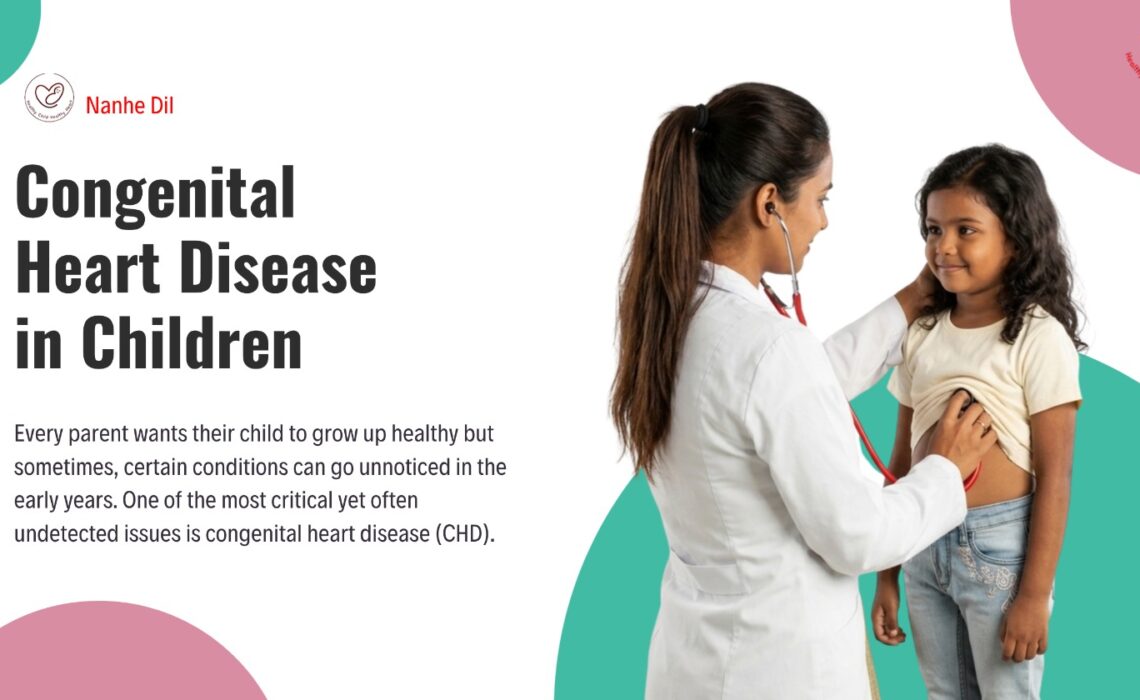
Every parent wants their child to grow up healthy, but sometimes, certain conditions can go unnoticed in the early years. One of the most critical yet often undetected issues is congenital heart disease (CHD).

According to experts like Dr. Manvinder Singh Sachdev, early diagnosis can make a life-saving difference in a child’s future.

In this guide, we’ll help you understand the early warning signs, causes, and treatment options, so you can act at the right time.

What is Congenital Heart Disease (CHD)?

Congenital heart disease refers to structural problems in the heart that are present at birth. These defects can affect how blood flows through the heart and body.

At specialized centers like Nanhe Dil, children receive comprehensive care, from fetal diagnosis to advanced surgical treatments.

Early Signs of Heart Problems in Children

Recognizing symptoms early can save lives. Watch out for:

 In Infants:

  • Rapid breathing
  • Difficulty feeding
  • Poor weight gain
  • Bluish lips or skin/nails (cyanosis)
  • Excessive sweating

 In Older Children:

  • Easily tired during play
  • Frequent chest infections
  • Shortness of breath
  • Fainting episodes

Many parents ignore these signs, assuming they are minor, but they can indicate serious heart conditions.

What Causes Congenital Heart Disease?

CHD can occur due to:

  • Genetic factors
  • Infections during pregnancy
  • Poor maternal health
  • Unknown causes in many cases

Early screening during pregnancy (like fetal echocardiography) can help detect issues before birth.

Importance of Early Diagnosis

Early diagnosis is crucial because:

  • It prevents complications
  • Improves treatment success
  • Reduces long-term risks

Advanced diagnostic tools such as pediatric echocardiography help identify even complex conditions early.

Available Treatment Options

Treatment depends on the severity of the condition:

1. Monitoring & Medication

Mild cases may only require medication and regular follow-ups.

2. Non-Surgical Procedures

  • Device closures
  • Balloon valvuloplasty

3. Heart Surgery

  • ASD/VSD closure
  • TOF repair
  • Arterial switch operations

When Should You Consult a Pediatric Cardiologist?

You should consult a specialist if:

  • Your child shows any symptoms mentioned above
  • There is a family history of heart disease
  • Your pediatrician recommends further evaluation

Why Choosing the Right Specialist Matters

A child’s heart condition requires:

  • Accurate diagnosis
  • Experience in pediatric cases
  • Advanced treatment facilities

Centers like NanheDil focus on child-friendly care combined with advanced cardiac expertise, ensuring better outcomes for young patients.

Preventive Tips for Parents

  • Schedule regular pediatric check-ups
  • Monitor your child’s growth and activity
  • Maintain a healthy diet
  • Avoid ignoring unusual symptoms

Conclusion

Congenital heart disease may sound scary, but with early detection and expert care, most children can lead healthy, normal lives.

If you notice even minor symptoms, don’t delay. Early action can make all the difference.

Related posts
in Congenital Heart Disease
Fetal Echocardiography in Pregnancy: Why Early Heart Screening Can Save Your Baby’s Life
April 6, 2026
in Cardiology

How Screen Time Affects Children’s Heart Health & What Parents Can Do About It

In the modern digital world, children have become accustomed to daily screen usage. From virtual classes and educational material to cartoons, games, and social media, children are spending more time in front of screens than ever before. While technology has it’s upsides, excessive screen usage impacts a child’s heart, especially when screen time outweighs physical activity and other healthy routines.

According to Dr. Manvinder Singh Sachdev Senior Pediatric Cardiologist and Founder of NanheDil – The Child Heart Centre, heart health begins in childhood. The habits a child learns early in life, especially when it comes to physical activity, are important determinants of that children’s heart health later in life.

Understanding the Link Between Screen Time and Heart Health

When children sit in front of a screen their body enters a sedentary state which means their bodies become less active and their hearts do not get the stimulation they need.

When screen time is excessive children become sedentary . A sedentary lifestyle in children can lead to:

  • Reduced cardiovascular fitness
  • Poor stamina and endurance
  • Increased risk of childhood obesity

Dr. Singh highlights that children’s lack of physical activity can heighten the risk of high blood pressure and diabetes, as well as heart disease in later years.

Effects of Screen Time on Weight and Metabolism

It is common for children to munch on snacks while watching screen. Such snacks tend to be the following:

  • Deep-Fried Foods
  • Highly Sugary Foods
  • Other Packaged/Highly Processed Foods

This combination of mindless eating, coupled with a sedentary lifestyle, can lead to unhealthy weight gain and increased strain on the heart. This mindless weight gain struggle is accompanied by the following:

    • Increased Cholesterol

    • Insulin Resistance

    • Early Onset Heart Disease

Parents are routinely counselled on lifestyle changes (reducing screen time, in specific) to significantly improve a child’s heart health at NanheDil – The Child Heart Centre.

Screen Time, Sleep, and Heart Health

Late-night screen exposure affects the body’s natural sleep cycle. Blue light from screens suppresses melatonin, the hormone responsible for sleep. Poor sleep can lead to:

  • Hormonal imbalance
  • Increased appetite
  • Higher stress levels
  • Raised blood pressure

Dr. Sachdev explains that adequate sleep is essential for a child’s heart to rest, repair, and grow. Children who don’t sleep well are more likely to gain weight and develop heart-related risk factors.

How Much Screen Time Is Too Much?

While screen time isn’t totally avoidable, balance is important. Recommended values are: Limiting recreational screen time to 1-2 hours per day Not using screens at least 1 hour before sleeping Having screen-free meals and family time Dr. Manvinder Singh Sachdev stresses that screens should never take the place of the outdoors, sports, or any form of physical exercise.

Heart-Healthy Alternatives to Screen Time

Reducing screen time opens the door to activities that strengthen the heart naturally:

  • Outdoor play like running, cycling, skipping
  • Sports such as football, swimming, badminton
  • Family activities like evening walks or yoga
  • Creative play including dancing, drawing, or gardening

These activities improve blood circulation, strengthen the heart muscle, and help children maintain a healthy weight.

What Parents Can Do: Practical Tips

Parents greatly influence their child’s way of living.

  • Be a Role Model

Opting for less screen time yourself makes it easier for children to limit their screen use.

  • Create a Daily Routine

Make a schedule including schoolwork, screen time, physical activities, and sleep.

  • Encourage Active Rewards

Children should be rewarded with time to play outside instead of extra screen time.

  • Make Movement Fun

Make it a game instead of a task when it comes to exercising.

At NanheDil – The Child Heart Centre, parents are taught how small everyday improvements can foster a lifetime of heart healthy habits

When Should Parents Seek Out the Expertise of a Pediatric Cardiologist?

  • Excessive weight gain
  • Breathlessness during mild activity
  • Poor stamina or fatigue
  • Above average or high blood pressure
  • Heart disease in the family

Dr. Sachdev mentions that early risk assessment and mitigative strategies will deal with the risk before it becomes a problem.

Conclusion: A Healthy Heart is Built Early

Screens are a constant in every child’s life and allow them to do fun and educational activities. However, they should be used in moderation to allow for unstructured, active, outside play. Healthy meal choices, enough sleep, and active play can improve and maintain the heart health of any child today and in the future.

To quote Sachdev, “A healthy heart is built through everyday habits, not just medical treatment.”

Tomorrow your child will be carrying around a stronger, healthier heart because of the small, positive changes being introduced today.

Related posts
in Cardiology
How Sleep Patterns Affect Children’s Heart Health
January 15, 2026
in Cardiology
Everything you need to know about pediatric cardiology
January 25, 2023
sleep patterns affect children heart health
in Cardiology

How Sleep Patterns Affect Children’s Heart Health

Sleep is just as important for children as nutrition and exercise are. However, many parents don’t consider how sleep affects different aspects of a child’s health now and later.

Dr Manvinder Singh Sachdev and his team at Nanhe Dil – The Child Heart Centre often see how lifestyle-related cardiac risk factors in children are caused by disrupted sleep. In cardiology, sleep is important for blood pressure and metabolism control, and for emotional regulation and cardiovascular system development, thus sleep is invaluable in preventive heart care.

While many people think sleep is a time for the body and mind to take a break, sleep is the time for the body to repair and balance itself. The heart rate slows, blood pressure lowers, and stress hormones decrease during sleep time, which gives the heart a break and blood vessels a chance to rest. Dr Manvinder Singh Sachdev explains how sleep allows the cardiovascular system to recuperate from the demands of the day.

Not getting enough sleep is bad for kids’ blood pressure, emotions, and weight. On the other hand, getting good sleep is good for kids’ blood pressure, emotions, weight, and overall wellbeing. Chronic sleep deprivation makes things even worse, causing dysregulation of the heart and other body systems. Not getting enough sleep also increases long term heart disease risk.

The Ways Poor Sleep Affects Children’s Hearts

Children who sleep poorly are at risk for high blood pressure, hormonal imbalances, obesity, increased stress, irregular heartbeats, and more. In fact, sleep deprivation is one of the big players when it comes to increased risk for cardiovascular strain.

When a child is sleep deprived, appetite hormones become disrupted. This makes kids eat unhealthy foods that will cause weight gain. This is a cycle because highly unhealthy kids almost always have sleep deprivation issues. The extra weight makes obesity more likely. Hypertension, diabetes, and unusual cholesterol are just some of the conditions that these  kids have.

The Ways Sleep Affects Emotional Stress

Poor sleep weakens mood, ability to pay attention, and ability to tolerate stress. Increased stress hormones can cause strain on the heart. The cardiovascular system can also become more stressed. Among other things, keep in mind that good sleep is needed for emotional wellbeing and heart health. This is something that is especially important during the developmental years.

Recommended Sleep Duration For Children

Dr. Manvinder Singh Sachdev advises parents to ensure age-appropriate sleep duration:

Age GroupRecommended Sleep per Day
Infants (4–12 months)12–16 hours (including naps)
Toddlers (1–2 years)11–14 hours
Preschool (3–5 years)10–13 hours
School-age (6–12 years)9–12 hours
Teens (13–18 years)8–10 hours

Issues Arising From Sleep Disturbance

Parents must look out for loud snores, frequent awakenings, tiredness during the day, irritability, inability to concentrate, and hyperactivity. Excessive disturbances in sleep may signify more serious, less obvious issues affecting one’s heart. Dr. Manvinder Singh Sachdev.

Advice On Sleeping Well And Maintaining Heart Health

Try to create a bedtime routine that is calming and followed every day. Ensure that the sleep environment is a quiet, dark, and screen-free place. It is also important to promote regular exercise during the day, particularly to avoid caffeine and sugary foods in the hours leading to bedtime. Dr. Sachdev also recommends using relaxation techniques to alleviate stress.

Sleep Disorders And Heart Health

Obstructive sleep apnea (OSA) is a serious condition that affects children and is associated with heart strain and high blood pressure. As Dr. Manvinder Singh Sachdev points out, there is a need for early diagnosis and treatment of sleep disorders to avoid complications in the heart in the future.

When To Consult A Doctor

Parents should consult a doctor if the child snores loudly, has pauses in their breathing during sleep, experiences excessive sleepiness in the daytime, or possesses high blood pressure that does not appear to be explained. Dr. Manvinder Singh Sachdev is an expert in identifying and managing heart-related issues and is available at the NanheDil – The Child Heart Centre.

Healthy sleep plays an essential part in building a children’s heart health. As Dr. Manvinder Singh Sachdev highlighted, the combination of good sleep, proper nutrition, and physical activity work to strengthen the foundation of good health and reduce the risk of future heart issues. If parents prioritize sleep today, they are protecting their child’s future heart health.

Related posts
in Cardiology
How Screen Time Affects Children’s Heart Health & What Parents Can Do About It
March 11, 2026
in Cardiology
Everything you need to know about pediatric cardiology
January 25, 2023
in Cardiology

𝐁𝐞𝐬𝐭 𝐏𝐞𝐝𝐢𝐚𝐭𝐫𝐢𝐜 𝐂𝐚𝐫𝐝𝐢𝐨𝐥𝐨𝐠𝐢𝐬𝐭 𝐢𝐧 𝐆𝐮𝐫𝐮𝐠𝐫𝐚𝐦 – 𝐍𝐚𝐧𝐡𝐞𝐃𝐢𝐥, 𝐓𝐡𝐞 𝐂𝐡𝐢𝐥𝐝 𝐇𝐞𝐚𝐫𝐭 𝐂𝐞𝐧𝐭𝐫𝐞

When it comes to children’s health, nothing matters more than their hearts. Congenital and acquired heart conditions in kids require expert attention, advanced facilities, and a compassionate approach. NanheDil – The Child Heart Centre stands out as the most trusted name in pediatric cardiac care.

𝐄𝐱𝐩𝐞𝐫𝐭 𝐋𝐞𝐚𝐝𝐞𝐫𝐬𝐡𝐢𝐩: 𝐃𝐫. 𝐌𝐚𝐧𝐯𝐢𝐧𝐝𝐞𝐫 𝐒𝐢𝐧𝐠𝐡 𝐒𝐚𝐜𝐡𝐝𝐞𝐯

At the heart of NanheDil is Dr. Manvinder Singh Sachdev, Director & Head of Pediatric Cardiology at Fortis Hospital, Gurugram. With an MD in Pediatrics and FNB in Pediatric Cardiology, Dr. Sachdev brings years of experience in diagnosing and treating heart conditions in infants, children, and adolescents. He is widely respected for his precision, patient-centric approach, and dedication to providing the best outcomes for young patients.

𝐂𝐨𝐦𝐩𝐫𝐞𝐡𝐞𝐧𝐬𝐢𝐯𝐞 𝐒𝐞𝐫𝐯𝐢𝐜𝐞𝐬 𝐔𝐧𝐝𝐞𝐫 𝐎𝐧𝐞 𝐑𝐨𝐨𝐟

NanheDil offers a wide spectrum of pediatric cardiology services, ensuring that every child receives complete care:

𝐀𝐝𝐯𝐚𝐧𝐜𝐞𝐝 𝐃𝐢𝐚𝐠𝐧𝐨𝐬𝐭𝐢𝐜𝐬

Fetal echocardiography (detecting heart conditions before birth)
Pediatric echocardiography
Strain echocardiography for accurate assessments

𝐒𝐩𝐞𝐜𝐢𝐚𝐥𝐭𝐲 𝐂𝐥𝐢𝐧𝐢𝐜𝐬

Pulmonary Hypertension Clinic
Arrhythmia & Pacemaker Clinic
Preventive Cardiology & Hypertension Clinic
Childhood Obesity Clinic

𝐏𝐥𝐚𝐧𝐧𝐢𝐧𝐠 𝐏𝐞𝐝𝐢𝐚𝐭𝐫𝐢𝐜 𝐂𝐚𝐫𝐝𝐢𝐚𝐜 𝐢𝐧𝐭𝐞𝐫𝐯𝐞𝐧𝐭𝐢𝐨𝐧𝐬 𝐚𝐧𝐝 𝐬𝐮𝐫𝐠𝐢𝐜𝐚𝐥 𝐩𝐫𝐨𝐜𝐞𝐝𝐮𝐫𝐞𝐬

Device closures for heart defects
Balloon valvuloplasty
Neonatal interventions and stenting
Pediatric cardiac catheterization and angiography
Cardiac Surgeries
ASD and VSD closure
Tetralogy of Fallot (TOF) repair
Arterial Switch Operation
TAPVC repair
Complex congenital heart surgeries

𝐖𝐡𝐲 𝐍𝐚𝐧𝐡𝐞 𝐃𝐢𝐥 𝐢𝐬 𝐓𝐫𝐮𝐬𝐭𝐞𝐝 𝐛𝐲 𝐏𝐚𝐫𝐞𝐧𝐭𝐬

What makes Nanhe Dil special is its child-first philosophy. The centre is designed to provide a safe and comforting environment for young patients. Families receive clear communication, compassionate support, and continuous follow-up care, ensuring that parents feel confident at every stage of treatment.

Parents often share heartfelt testimonials about how Dr. Manvinder not only treated their child’s heart condition but also provided reassurance, emotional support, and long-term guidance for a healthy future.

𝐋𝐨𝐜𝐚𝐭𝐢𝐨𝐧 & 𝐀𝐜𝐜𝐞𝐬𝐬𝐢𝐛𝐢𝐥𝐢𝐭𝐲

Dr. Manvinder is available in Gurugram at:
Nanhe Dil Child heart centre, Sector 15, Jharsa Road, Gurgaon
Fortis Hospital, Sector 44, Gurgaon
OPD timings are designed for flexibility, making it easier for families to consult without long waiting periods.

𝐂𝐨𝐧𝐜𝐥𝐮𝐬𝐢𝐨𝐧

If you are looking for the best Pediatric cardiologist in Gurugram, NanheDil – The Child Heart Centre is a trusted choice. With expert leadership under Dr. Manvinder Singh Sachdev, advanced diagnostics, world-class interventions, and a compassionate, child-friendly approach, NanheDil ensures that little hearts receive the care they deserve.

For families in and around Gurugram, NanheDil is not just a heart centre — it’s a place of hope, healing, and healthier tomorrow.

advert-image
in Uncategorized

Preventive Cardiology: Reducing Future Heart Disease Risk in Children

Heart Disease Is not only a concern in adults; The Reality Is That the Footing of Heart Disease Starts in Childhood itself. Cardiovascular health later in life largely depends on lifestyle habits developed in early years. Preventive cardiology emphasizes the early identification of risk factors and the implementation of strategies to ensure children lead a heart-healthy life.
This blog will discuss things that parents and caregivers can do to reduce the risk of heart disease in children from food habits, and physical activities to early screenings and lifestyle changes. As heart clinic and hospitals in Gurgaon become more and more accessible, families have the opportunity to counsel with experts to be certain their kid’s heart is strong and wholesome.

Risk Factors

Heart disease doesn’t develop in a day. It is often the accumulation of years of bad behaviours, genetic tendencies and undetected health issues. Important risk factors for heart disease in children include:

  • Diet – Over indulgence of junk food, sugars, and deficiencies of vitamins.
  • Lack of physical activity – A sedentary lifestyle with minimal exercise leads to weakening of the cardiovascular system.
  • Obesity – Excess weight places greater stress on the heart and raises cholesterol.
  • High BP & Cholesterol – Though these conditions commonly arise due to bad lifestyle & diet choices, they can also be a part of a systemic or genetic problem.
  • Family History – Who among your blood relatives experienced heart issues?

By knowing these risk factors, parents can take action to prevent heart problems later on.

Nutrition and Its Role in Heart Health

One of the best ways to prevent heart issues is with a heart-healthy diet. The right mix of nutrients can support optimal blood pressure, cholesterol, and heart function.

Key Nutritional Tips:

  • Whole foods – A child’s diet should be based around whole foods: fruits, vegetables, whole grains, and lean proteins.
  • Cut back on Processed and Sugary foods – Excess sugar and processed foods cause obesity and raise the chances of heart disease.
  • Add Healthy Fats – Omega-3 rich foods such as walnuts, flaxseeds, and fatty fish aid heart health.
  • Pay Close Attention to Portion Sizes – Overindulging, even in nutritious foods, can cause unnecessary weight gain.
  • Stay Hydrated – Promote water consumption instead of sugary drinks to stay hydrated and support metabolism.

Parents should also be aware of signs indicating an underlying cardiovascular concern and seek heart disease treatment in Gurgaon if any unusual symptoms arise.

Physical Activity: A Must for a Healthy Heart

Nowadays, children spend the majority of their day on screens, minimizing their daily exercise. It is important to get a child to exercise early in life so that their cardiovascular health remains intact for life.

Recommended Activities:

  • Daily Activity – Unstructured play, running, and outdoor games improve endurance and cardiovascular health.
  • Team Sports – Sports such as cricket, basketball, and football help build strength and coordination.
  • Family Fitness – Walks, hikes, and yoga sessions can all be fun and healthy for the entire family.
  • Screen Time Limits – Reducing sedentary behavior increases movement throughout the day.

Exercise is a great natural way to help keep weight healthy, lower blood pressure, and assist with overall heart function.

Importance of Early Screening and Medical Guidance

Most parents do not realize that common health check-ups entail screening for early signs of cardiovascular conditions. One key aspect is preventive cardiology, emphasizing early screenings and interventions to maintain heart health.

When Is Screening Appropriate?

  • If there is a history of heart disease in the family.
  • When a child is overweight or has high cholesterol.
  • If they have symptoms such as increased fatigue, breathlessness, or chest pain.
  • If a pediatrician suggests it according to overall health assessment.

Proper guidance, prevention, lifestyle changes, and medical advice, if needed, can be obtained by consulting with Pediatric Cardiologists in heart clinic and hospitals in Gurgaon.

Lifestyle Habits That Can Help

Aside from diet and exercise, several everyday habits can promote a child’s long-term heart health.

Building Good Habits to Keep Your Heart Strong:

  • Promote a Regular Sleep Schedule – Lack of sleep is associated with obesity and high blood pressure.
  • Handle Stress Well – Show kids how to relax, meditate, and practice deep breathing exercises.
  • Limit Junk Food and Sugary Beverages – Eat fast food and drink soda occasionally, not daily.
  • Lead by Example – If parents remain active and eat healthily, children will easily adopt this way of life.

The Importance of Parents in Preventive Cardiology

Parents, after all, are the single greatest influence on a child’s health. Promoting simple yet impactful lifestyle adjustments can have a lasting effect. Rather than overhauling everything at once, start by replacing unhealthy foods with healthier options, engaging in physical activities as a family, and scheduling regular check-ups.

Conclusion Countless kids start down the path toward heart disease, but parents can change the course. A healthy diet, physical activity, routine checkups, and healthy habits can greatly reduce the risk of cardiovascular disease down the line.
With the right approach and guidance, we can allow today’s children to grow up healthy. Join us in taking action today for a better and healthier tomorrow!

in Cardiology, Diet For Healthy Heart, Heart Defects, Nutritions and exercises for kids

The Impact of Nutrition and Exercise on Children’s Heart Health

Making sure the kids develop good heart health from the beginning has never been more important, in today’s fast-paced world. With the rise of childhood obesity and lifestyle-induced health issues it is imperative for parents to implement a heart-friendly lifestyle for their children. Two of the most vital aspects of heart health, nutrition and exercise, are instrumental for overall well-being and preventing future complications.

Why Kids Heart Health is So Important

Children are energetic and resilient but an unhealthy lifestyle can pave the way for heart ailments in the future. Research indicates that having blood pressure, high cholesterol and obesity as a child can greatly raise the risk of adult cardiovascular diseases. Seeking the right heart disease treatment in Gurgaon at an early stage can help in preventing long-term complications.

Nutrition for a Healthy Heart

A nutrient-dense and well-balanced diet is the key to maintaining heart health. Begin focusing on adding heart-healthy foods to your child’s diet and eliminating harmful eating habits.

The Best Foods for Heart Health

• Foods high in fibre: Foods like whole grains, fruits, vegetables, and legumes that decrease cholesterol and aid in keeping a healthy body weight.
• Healthy fats: Nuts, seeds, avocado and olive oil contain good fats that help support cardiovascular function.
• Lean proteins: Foods lower in fat content, like eggs, fish, poultry, and plant-based proteins, support building muscle without excessive unhealthy fats.
• Omega-3 fatty acids: These healthy fats reduce inflammation and promote heart health; you can find them in fatty fish like salmon and in flaxseeds.
• Hydration: Drinking water (not sugary beverages) helps keep children hydrated.

Foods to Avoid

• Highly processed foods: Like chips, packaged snacks and instant noodles, these contain high levels of sodium and unhealthy fats.
• Sugary beverages and sweets: Excess sugar can add to weight gain and an increased risk of diabetes and heart disease.
• Saturated and trans fats: Found in fast food and fried foods and processed meats, they can increase cholesterol.

Exercise and Cardiovascular Health

Exercise helps improve circulation and maintain a healthy weight. Encouraging kids to be active early in life lays the foundation for heart-healthy habits for years to come.

Activities by Age Recommended & No. of Ages

• Preschoolers (age 3 to 5): At least three hours of diverse movement a day, including running, jumping and climbing.
• School-age children (6-12 years): A minimum of 60 minutes of moderate-to-vigorous physical activity daily — cycling, swimming or playing team or individual sports.
• Adolescents (13-18 years): Routine sport, strength training, and aerobic exercises to enhance endurance and keep fit.

Physical Activity Play: Fun Ideas to Encourage Movement

• Activities as a family: Go for evening walks, hike or cycling together.
• Reduce screen time: Turn off the TV and put away mobile devices to promote play outside.
• Sign them up for sports: Football, basketball, and swimming can keep kids busy and active.
• Yoga and stretching: Yoga asanas can enhance flexibility and general fitness.

Best Heart-Healthy Habits at Home

Set a Good Example

Children tend to adopt the habits of their parents. When parents are active and eat well, their children usually will, too.

Involve Them in Planning Heart-Healthy Meals

Let children help with grocery shopping and meal preparation. Teaching them about good nutrition will help build habits.

Schedule Regular Check-ups

Children should have heart rate, BP, and oxygen saturation levels checked at every regular pediatrician visit. A comprehensive heart check may be advised by a pediatrician in case of any abnormality or in view of a family history of cardiac problems. Visiting heart clinic and hospitals in Gurgaon for expert consultation ensures proper diagnosis and preventive care.

Promote Mindfulness and Stress Management

Too much stress is dangerous for the heart. Promote relaxation techniques within a business, including deep breathing, meditation, and nature to promote mental and emotional wellness.

When to See a Pediatric Cardiologist

Most kids have good heart health, but some may show symptoms that need medical attention. Parents should visit a specialist doctor if they see the following symptoms in their child:

• Easily tired
• Shortness of breath
• Persistent chest pain
• Fatigue and dizziness
• High blood pressure readings
• Rapid or irregular heartbeat

NANHE DIL- Child Heart Centre offers specialized care for children’s heart, by experts who guide about heart health for kids and navigating their heart health. In case of your child already having a heart condition, it is a must to see a Pediatric Cardiologist for the best care and proper treatment. Consulting the best heart clinic and hospitals in Gurgaon ensures the right treatment and management of heart conditions.

Conclusion Children need to have a balance of good nutrition and regular exercise as this is essential to keeping their hearts healthy. That means parents must be proactive in providing healthy meals, making time for physical activities, and arranging regular check-ups with trusted medical personnel. If needed, seeking heart disease treatment in Gurgaon can help in preventing serious heart conditions in the future.

in Diet For Healthy Heart, Nutritional Deficiencies

Top 4 Nutritional Deficiencies in Indian Children and Their Solutions to Know in 2024

Parents always want  the best for their children which includes good health throughout their lives. In today’s world, children often pick up on eating habits which can create nutritional deficiencies. These habits  differ from one another based on region, lifestyle, race, socioeconomic factors, etc and can also lead to them developing as unhealthy adults. There are some nutritional deficiencies in children which many go unnoticed and they are quite common in children and have become a growing concern for parents/ caregivers. These deficiencies can cause harmful effects on a child’s overall healthy development, importantly on their young hearts. In this blog, we will learn about some common causes of nutritional deficiencies that are unknowingly shared by many children and help parents/ caregivers understand why it matters so much for the child, its harsh impact on the kid’s heart health and some useful solutions to eliminate such deficiencies to occur.

Top 4 Nutritional Deficiencies that are Common in Indian Children:

1. Iron Deficiency (Anemia) and Heart Health

Why Iron Matters:

Iron is an essential element of growing kids’ diet which helps produce a sufficient amount of hemoglobin in the body. Hemoglobin assists in supplying oxygen to all body parts, including the involuntary muscles of the heart and also gives a red colour to the blood. Children who do not consume adequate iron in their diet can suffer from anemia, which reduces the oxygen supply throughout the body and depreciates overall health over time.

Impact on Heart Health:

Children who are challenged by anemia will have a heart that has to work harder than normal to pump a sufficient amount of oxygen-rich blood to the body. With time, this extra pressure on the heart will impact heart health, adversely and can potentially make kids vulnerable to developing cardiovascular diseases such as heart failure or an enlarged heart.

Common Causes of Iron Deficiency in the Indian Diet:

Iron deficiency is becoming common among Indian children because there is limited consumption of iron-rich foods like leafy greens, meat, and fortified cereals which promote heart health. Instead, diets which are followed today by many children are heavy in grains like rice or wheat, which don’t provide enough iron to the body.

Solution:

The solution for this is easy, which is to include more iron-rich foods in your child’s diet regularly, such as spinach, legumes, eggs (if non-vegetarian), and jaggery. When parents pair these with Vitamin C-rich foods like amla or citrus fruits it can further help improve iron absorption in the body.

2. Vitamin D Deficiency and Heart Health

Why Vitamin D Matters:

Vitamin D helps in calcium absorption for growing kids, which is essential for their bones and heart muscles to function correctly, effectively and efficiently. Vitamin D deficiency is extremely common in Indian children because of their lack of ample exposure to sunlight, poor dietary consumption, and actively living indoors rather than spending time outdoors in the sunshine.

Impact on Heart Health:

Vitamin D deficiency is directly linked to the development of many heart diseases such as hypertension and in severe cases heart failure. In children, insufficient Vitamin D can lead to an imbalance in calcium metabolism which can thus impact the involuntary muscles around the heart negatively. Some studies have concluded that low Vitamin D is the prime reason for higher blood pressure, hence, increasing the long-term risk of developing a heart disease.

Common Causes of Vitamin D Deficiency in the Indian Diet:

Many Indian diets cannot provide sufficient Vitamin D because of limited consumption of food sources like fatty fish, egg yolks, and fortified foods. In addition to that, some cultural practices can also limit a child’s exposure to sunlight creating Vitamin D deficiency.

Solution:

All parents/caregivers should always encourage as well as motivate their kids to actively participate in outdoor activities for at least 30 minutes a day, 4-6 days a week, to help the kids’ skin absorb a healthy amount of Vitamin D. Parents can introduce Vitamin D-fortified foods to kids like milk, or consult a qualified doctor about Vitamin D supplements for your child if Vitamin D levels are low in the kid. Routine use of vitamin D supplements during the first year of life is now a standard practice followed by Paediatricians.

3. Vitamin B12 Deficiency and Heart Health

Why Vitamin B12 Matters:        

Vitamin B12 helps the kids’ bodies to remain optimally healthy and is also responsible for producing life-giving red blood cells as well as regulating healthily coordinated nerve function plus improved coordination of the entire body. It is required in the kids’ body because it reduces homocysteine levels i.e. a compound that is closely connected to development of heart disease when it begins to build in the blood.

Impact on Heart Health:

Children who do not have sufficient Vitamin B12 in their bodies will always have higher homocysteine levels than kids who have an adequate amount of Vitamin B12. Insufficient Vitamin B12 will begin to cause damage to the blood vessels and significantly increase the risk of developing cardiovascular disease with time. This deficiency should be identified at an early stage by some common symptoms like fatigue or shortness of breath in kids and can be correctly treated by an expert and experienced medical professional or family doctor.

Common Causes of Vitamin B12 Deficiency in Indian Diet:

Vitamin B12 is present in several animal or non-vegan products like eggs, fish, and dairy and in India, the majority of the population are vegetarians which is why some Indian children are not able to receive enough Vitamin B12 through their diet and will need medical intervention to manage healthy Vitamin B12 levels in the body.

Solution:

The Vitamin B12 deficiency in kids can be dealt with if parents/caregivers start including eggs, milk, and fortified cereals in their child’s diet regularly. if there are noticeable signs of Vitamin B12, please visit a doctor to help your kid become healthy again with optimal Vitamin B12 levels in their body.

6. Folate (Vitamin B9) Deficiency and Cardiovascular Development

Why Folate Matters:

Folate, or Vitamin B9, is a life-giving element in the body which plays a critical role in DNA synthesis, cell division, and proper red blood cell formation throughout the body. It also helps in healthily regulating homocysteine levels, which is necessary to provide the best protection to the priceless heart.

Impact on Heart Health:

A lack of folate or Vitamin B9 can lead to higher homocysteine levels and has similar effects much like Vitamin B12 deficiency. High homocysteine levels are directly linked to an increased risk of cardiovascular diseases, even in children which is why avoiding this deficiency is imperative for parents.

Common Causes of Folate or Vitamin B9 Deficiency in the Indian Diet:

Many Indian dishes include legumes and greens, which are an excellent choice of food and an exceptional source of folate. Children can still suffer from this deficiency, especially if their normal diet has these foods absent in their life or their diet primarily consists of processed, nutrient-poor snacks.

Solution:

The solution for this deficiency is to introduce and include folate-rich foods like lentils, spinach, chickpeas, and fortified cereals in your child’s daily meals. These will not only help in providing essential nutrients but also support healthy heart development for the kid.

Conclusion: Prioritizing Heart Health from Childhood In summary nutritional deficiencies in Indian children are rising to an unexpected figure. Everyone must know that it is not just about short-term growth or development of the body during childhood, but nutrition will lay the foundation for long-term health, especially for the heart which has to beat every second with no breaks. These common deficiencies can be cured by parents by implementing the solution while informing the reason for a better diet choice to kids when they will usually pick up parents’/caregivers’ habits. Remember only by consuming balanced meals, encouraging physical activity, optimally meeting the body’s nutrition needs and punctual as well as regular health check-ups are the best ways to support a heart-healthy lifestyle from childhood for your kid to live healthier and longer.


in Cardiology, Congenital Heart Disease, Diet For Healthy Heart

Everything Parents Should Know About Childhood Obesity and Heart Health

Every parent wants their kid to grow up as a healthy adult and will do everything in their power to provide only the best for their child without any compromise on their precious health. Childhood obesity is on the rise globally which often begins with an adorable bulge in the belly and results in developing several health complications including the high risk of developing cardiovascular diseases. It has become a rising concern in India and the world over the last decade because of untimely and unhealthy diets consumed by children all around the world. Unhealthy dietary habits are resulting in reduced physical activity and many more obese children are now vulnerable to developing heart diseases as young adults. In this blog, we will understand the crucial connection between childhood obesity and heart health and learn about some useful steps to be implemented in daily routine to safeguard children’s health and help them grow up happily healthy and physically strong to become the best version of themselves as adults.

Do you Know What Childhood Obesity is?

When a child eats an unhealthy diet, a large amount of fat is accumulated in the kid’s body. This excessive weight which is carried by the child is an inseparable part of their bodies which creates obesity in kids. This is Childhood Obesity which can be the root cause of developing several diseases including heart diseases. It can further lead to developing several health complications like many childhood obesity cases if neglected or untreated. In India, there is a tsunami of fast food, packaged snacks, and sedentary lifestyles, which are influencing almost all children leaving them more susceptible to succumb to its effects. To countless parents, it might not appear like a major issue during the initial years of childhood, but obesity can have adverse effects on a child’s heart health and overall health which will obstruct them from becoming healthy adults with a long lifespan in future.

Almost every Indian home today has a deep affection and intangible connection for consuming and sharing sweets like laddoos, gulab jamun, jalebi and countless more unhealthy eating options. These foods do not pose significant health concerns if they are consumed occasionally, but regular consumption of them along with some other high-fat snacks like samosas or deep-fried pakoras will amount to more unhealthy calories which will increase the obesity levels and hamper overall health. When these unhealthy eating habits are combined with an inactive or sedentary lifestyle and children tend to spend more time watching TV or playing video games, than engaging in physical activities the risk of obesity will significantly rise hand in hand.

The Secret & Crucial Link Between Childhood Obesity and Heart Health

1. High Blood Pressure (Hypertension)

All obese children will carry excess weight, and this exerts excessive pressure on the body to stay active, which then creates the need for more oxygen supply, making the heart work harder and become less efficient with time. This continuous strain on the body will result in high blood pressure in children and, if it is left untreated, high blood pressure will cause the heart to function ineffectively and significantly increase the risk of developing heart disease in the future.

2. High Cholesterol Levels

Childhood obesity creates higher levels of bad cholesterol (LDL) and lower levels of good cholesterol (HDL) in the body, and LDL cholesterol will then begin to build up in the arteries, blocking and obstructing the healthy blood circulation in the body, this results in developing a medical condition called atherosclerosis, which increases the risk of having harmful heart attacks and strokes in young adults.

3. Risk of Type 2 Diabetes

Obesity is the leading cause and backbone of developing type 2 diabetes, which will also increase the risk of developing heart disease in future. In the world, all children who are obese are more likely to develop insulin resistance in their bodies for many reasons including obesity. Insulin helps the body to healthily manage blood sugar levels, and when it cannot be managed correctly, it will lead to some health complications like permanent nerve damage or severe heart problems.

4. Increased Risk of Adult Obesity and Heart Disease

Children who are obese or overweight are more likely to remain obese as adults, which will then significantly increase the risks of developing cardiovascular disease later in life. The longer obesity exists, the greater the chances of suffering from poor health or heart attacks and strokes.

Some Healthy Steps to Prevent Childhood Obesity and Promote More Heartbeats

1. Healthy Eating Habits

Start encouraging your child or children to regularly consume a balanced diet filled with fruits, vegetables, whole grains, and lean proteins and along with it, make it clear to them that it is essential for maintaining a healthy weight and happy heart. Also, explaining why it’s essential can minimize the usual consumption of deep-fried snacks, sugary sweets, and processed foods can help your children make the best diet choices for a longer lifespan.

2. Promote Physical Activity

It is a great choice to implement a regular and punctual exercise routine to help children maintain a healthy weight and strengthen their bodies as well as hearts each day. Always motivate your kids to actively participate in physical activities such as sports, cycling, yoga etc. which interests them to help them live and remain healthy for a long time. It is important to reduce screen time on mobile phones or TV and let the kids explore the world freely physically not digitally.

3. Lead by Example

Children tend to always follow and imitate the habits of their parents or anyone they truly love to become like them when they grow up as wonderful adults. Practising healthy eating, staying active, and managing your own body weight as a parent/caregiver will set a positive example in your child’s subconscious mind. Try to maintain and define family mealtimes and also introduce healthy eating habits to kids for their optimal health.

Conclusion: Little Hearts will Get Big, Do Not Let Them Grow Up with a Weak Heart

In summary, the important connection between childhood obesity and heart health is often overlooked by many but it is crucial to know in 2024, because of the increasing cases of heart diseases, heart attacks and diabetes in young adults. Parents or caregivers who wish to tackle childhood obesity need to know that it is not just about keeping your child’s body weight in healthy embankments, it is also about securing a healthy future for them with a healthy heart, mind and soul hand in hand. By adopting some of the healthy habits mentioned above in this blog, like a balanced diet, promoting physical activity, setting a positive example, and more all parents/caregivers can help all children become adults with a healthy heart which will in turn keep the body healthy. Remember all children deserve a strong heart and you as a perfect parent or concerned caregiver can gift them the perfect heart health by taking necessary care of their diet and daily routine.

in Cardiology, Diet For Healthy Heart, Heart Defects

The Best Diet Options for Kids to Develop a Healthy Heart as Adults

All parents and caregivers are aware of the fact that one of the most impactful and the best ways to ensure their loving child’s long-term health is by a perfectly healthy diet. It is important to know that what children consume in the early years of childhood not only influences their immediate well-being but also scales up the foundation for their heart health as adults. Interestingly, did you know that the human skeleton is completely replaced with a new one in place in the body approximately every ten years? This cellular regeneration process is responsible for providing our bodies with everything they need, especially superfast growing children with the right amount of nutrients to support lifelong overall and heart health. Dr. Manvinder Singh Sachdev is an experienced Pediatric cardiologist who is available at Fortis Memorial Research Institute, Gurgaon to make the lives of kids with heart defects better than before. In this blog, we will know about the best diet options for growing kids to develop healthy hearts as adults when they grow up.

The Developing Building Blocks of a Healthy Heart

Knowing the Process of Cellular Renewal

There are approximately 37.2 trillion cells in the body and every cell in our body is continuously being replaced with new ones and the food we consume provides the essential elements to support this process of renewal. More than 2 million cells die every second and 2 million more are produced every second to maintain a healthy balance of life. The quality of the food we consume directly affects the quality of our cells. For growing children, whose bodies are constantly growing and developing rapidly, this connection between food and health is even more critical than in adults. It is important to know that by providing kids with nutrient-rich foods, their bodies will also develop healthily and their heart muscles will also remain strong.

Key Nutrients for Heart Health

1. Omega-3 Fatty Acids

Some of the best sources of Omega-3 Fatty Acids are Fatty fish (salmon, mackerel, sardines), flaxseeds, chia seeds, and walnuts. Some major benefits of Omega-3 fatty acids are it is crucial for heart health, they help reduce inflammation, lower blood pressure, and decrease the risk of developing heart disease in the future. Including Omega-3 Fatty Acids in a child’s diet will support the development of a healthy cardiovascular system as they grow.

2. Fiber

Whole grains, fruits (apples, berries, oranges), vegetables (broccoli, carrots), and legumes (beans, lentils) are the best sources of fiber. The major benefits are, that it helps regulate blood sugar levels and lowers cholesterol, both of which are extremely important for heart health. In addition to that, fiber also aids in healthy and proper digestion which helps to maintain a healthy weight.

3. Antioxidants

Some best sources of Antioxidants are fruits (blueberries, strawberries, oranges), vegetables (spinach, kale, tomatoes), and nuts (almonds, pecans). The benefits of Antioxidants include, they protect the body’s cells from many kinds of damage. This protection also helps in offering better immunity to the cardiovascular system, thus, reducing the risk of heart disease.

4. Vitamins and Minerals

Some Key Vitamins and Minerals are Vitamin D, Vitamin E, magnesium, potassium and calcium.

The best source for vitamins and minerals is many including dairy products, leafy greens, nuts and seeds, bananas, avocados, and fortified foods. The benefits of consuming these vitamins and minerals include the vital role they play in maintaining optimal heart health. For example, potassium helps to regulate healthy blood pressure, and magnesium is very essential for competent muscle function, including the heart’s involuntary muscles.

Some Fun and Engaging Ways to Promote Healthy Eating in Kids:

1. Involve Kids in Meal Preparations

It is good to let kids lend a helping hand with the nutritious meal preparation. This can be a fun and practical way to teach them about different foods, their types and uses and the importance of nutrition present in them.

Example Activity: You can organize a “build your own salad snacks time” where kids can choose their toppings from a variety of healthy options of fruits and vegetables.

2. Health Education Through Fun Facts

It is necessary to share some interesting facts about the food to be consumed so that kids can learn about nutrition in a more engaging manner. For example, you can explain to kids how the body regenerates its cells with the food we eat and why the right foods are important for development.

3. Make Healthy Food Attractive for Kids

It is important to present healthy foods in an attractive and fun way for kids to eat enthusiastically. Parents can use colorful fruits and vegetables to create visually appealing plates that are packed with necessary nutrition.

Conclusion: Eat Right From the Start and Develop a Healthy Heart

In summary, the food consumed by children today will shape their future health as adults. Hence it is important to provide a nutritious diet which is rich in omega-3 fatty acids, fiber, antioxidants, and essential vitamins and minerals to develop a healthy heart and maintain overall well-being. It is also necessary for parents to encourage balanced meals, limit processed foods, ensure proper hydration, make healthy snacks available, and teach about portion control to develop heart-healthy habits from a young age. If the kid suffers from any heart problem soon after birth or during childhood it is advised to consult a doctor who is an expert in Pediatric Cardiology. Dr. Manvinder Singh Sachdev is the Director and Head of the Department of Pediatric Cardiology at Fortis Memorial Research Institute, Gurgaon he has solved many kids’ complicated heart problems and is one of the best doctors for kids’ heart medical consultations. Remember only by engaging children in practical meal preparation and educating them with fun facts can make the healthy eating habits being developed effectively, these habits will then pave the way for their future health and heart health as well.

Close