Tag

congenital heart disease

in Congenital Heart Disease

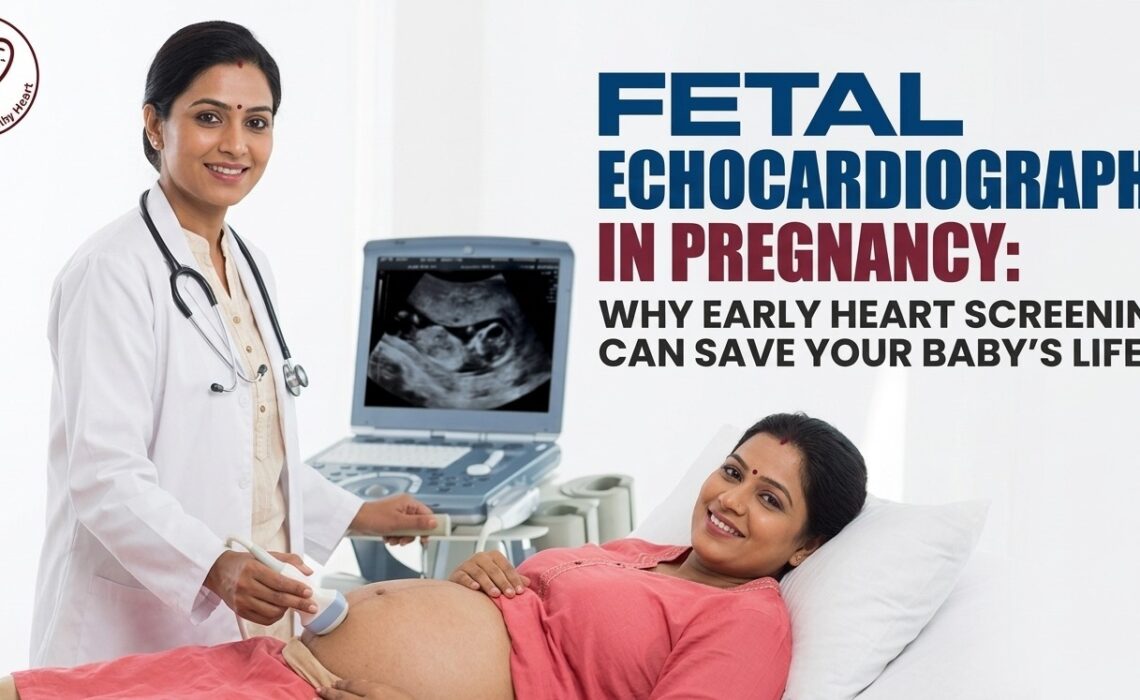
Fetal Echocardiography in Pregnancy: Why Early Heart Screening Can Save Your Baby’s Life

Pregnancy comes with multiple scans, but one of the most important yet often overlooked tests is fetal echocardiography.

Many parents don’t realize that a baby’s heart condition can be detected before birth. In fact, early screening can significantly improve survival and treatment outcomes.

Experts at NanheDil, led by Dr. Manvinder Singh Sachdev, emphasize that timely fetal heart screening can be life-saving.

What is Fetal Echocardiography?

Fetal echocardiography is a specialized ultrasound that examines the structure and function of a baby’s heart during pregnancy.

Unlike routine ultrasounds, this test provides a detailed view of:

  • Heart chambers
  • Blood flow
  • Heart rhythm
  • Structural abnormalities

It is one of the most effective ways to detect congenital heart disease (CHD) early.

Why is Fetal Echocardiography Important?

Early diagnosis allows:

  • Better pregnancy planning
  • Immediate care after birth
  • Reduced complications

Medical studies show that prenatal detection helps improve survival rates and treatment success for complex heart conditions

When Should You Get a Fetal Echo?

Typically, this test is done between 18 to 24 weeks of pregnancy.

You MUST consider it if:

  • There is a family history of heart disease
  • The previous child had CHD
  • Abnormal findings in a routine ultrasound
  • Maternal conditions (diabetes, infections)

The Biggest Problem in India: Lack of Awareness

One of the biggest challenges is awareness.

Studies show that only a very small percentage of parents are aware of fetal echocardiography in India

This leads to:

  • Late diagnosis
  • Emergency complications after birth
  • Increased treatment risks

👉 This is exactly where specialized centers like NanheDil play a critical role.

Latest Trend: AI & Advanced Fetal Cardiology

Fetal heart care is evolving rapidly.

Recent advancements include:

  • AI-based detection systems
  • Improved ultrasound imaging
  • Early-stage diagnosis techniques

Research shows that modern innovations are improving the accuracy and early detection of congenital heart diseases

What Happens if a Problem is Detected?

Don’t panic, early detection is actually an advantage.

Doctors can:

  • Plan delivery in a specialized center
  • Prepare for immediate intervention
  • Guide parents throughout the journey

With modern pediatric cardiology, many children with heart defects now live normal lives.

Why Choose a Specialized Pediatric Cardiac Center?

A fetal heart diagnosis requires:

  • Expert interpretation
  • Advanced imaging
  • Continuity of care after birth

Centers like NanheDil provide:

  • Fetal diagnosis
  • Pediatric cardiology care
  • Interventional & surgical support

Conclusion

Fetal echocardiography is not just another test; it’s a life-saving screening tool.

Early awareness + early action = better outcomes.

If you’re expecting or planning a pregnancy, don’t ignore this critical step.
Related posts
in Congenital Heart Disease
Congenital Heart Disease in Children: Early Signs Parents Should not Ignore (2026 Guide)
March 25, 2026
in Heart Defects
All You Need to Know About Fetal Echocardiography
December 26, 2022
in Congenital Heart Disease

Congenital Heart Disease in Children: Early Signs Parents Should not Ignore (2026 Guide)

Introduction

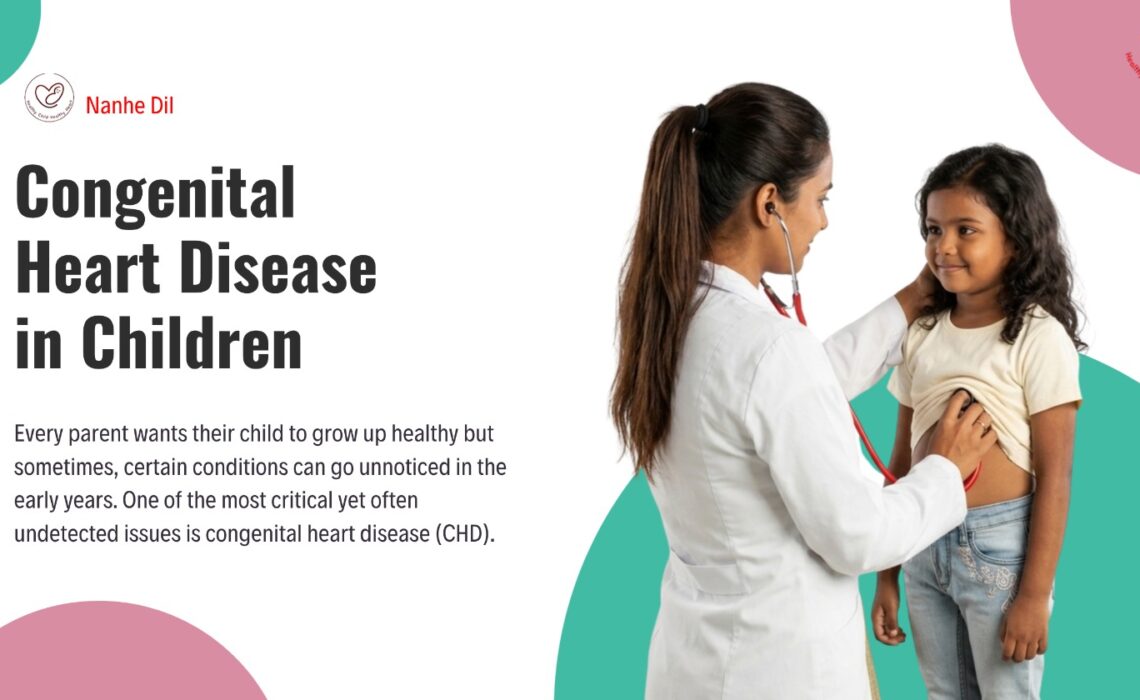
Every parent wants their child to grow up healthy, but sometimes, certain conditions can go unnoticed in the early years. One of the most critical yet often undetected issues is congenital heart disease (CHD).

According to experts like Dr. Manvinder Singh Sachdev, early diagnosis can make a life-saving difference in a child’s future.

In this guide, we’ll help you understand the early warning signs, causes, and treatment options, so you can act at the right time.

What is Congenital Heart Disease (CHD)?

Congenital heart disease refers to structural problems in the heart that are present at birth. These defects can affect how blood flows through the heart and body.

At specialized centers like Nanhe Dil, children receive comprehensive care, from fetal diagnosis to advanced surgical treatments.

Early Signs of Heart Problems in Children

Recognizing symptoms early can save lives. Watch out for:

 In Infants:

  • Rapid breathing
  • Difficulty feeding
  • Poor weight gain
  • Bluish lips or skin/nails (cyanosis)
  • Excessive sweating

 In Older Children:

  • Easily tired during play
  • Frequent chest infections
  • Shortness of breath
  • Fainting episodes

Many parents ignore these signs, assuming they are minor, but they can indicate serious heart conditions.

What Causes Congenital Heart Disease?

CHD can occur due to:

  • Genetic factors
  • Infections during pregnancy
  • Poor maternal health
  • Unknown causes in many cases

Early screening during pregnancy (like fetal echocardiography) can help detect issues before birth.

Importance of Early Diagnosis

Early diagnosis is crucial because:

  • It prevents complications
  • Improves treatment success
  • Reduces long-term risks

Advanced diagnostic tools such as pediatric echocardiography help identify even complex conditions early.

Available Treatment Options

Treatment depends on the severity of the condition:

1. Monitoring & Medication

Mild cases may only require medication and regular follow-ups.

2. Non-Surgical Procedures

  • Device closures
  • Balloon valvuloplasty

3. Heart Surgery

  • ASD/VSD closure
  • TOF repair
  • Arterial switch operations

When Should You Consult a Pediatric Cardiologist?

You should consult a specialist if:

  • Your child shows any symptoms mentioned above
  • There is a family history of heart disease
  • Your pediatrician recommends further evaluation

Why Choosing the Right Specialist Matters

A child’s heart condition requires:

  • Accurate diagnosis
  • Experience in pediatric cases
  • Advanced treatment facilities

Centers like NanheDil focus on child-friendly care combined with advanced cardiac expertise, ensuring better outcomes for young patients.

Preventive Tips for Parents

  • Schedule regular pediatric check-ups
  • Monitor your child’s growth and activity
  • Maintain a healthy diet
  • Avoid ignoring unusual symptoms

Conclusion

Congenital heart disease may sound scary, but with early detection and expert care, most children can lead healthy, normal lives.

If you notice even minor symptoms, don’t delay. Early action can make all the difference.

Related posts
in Congenital Heart Disease
Fetal Echocardiography in Pregnancy: Why Early Heart Screening Can Save Your Baby’s Life
April 6, 2026
Close