
Congenital Heart Disease in Children: Early Signs Parents Should not Ignore (2026 Guide)

Introduction
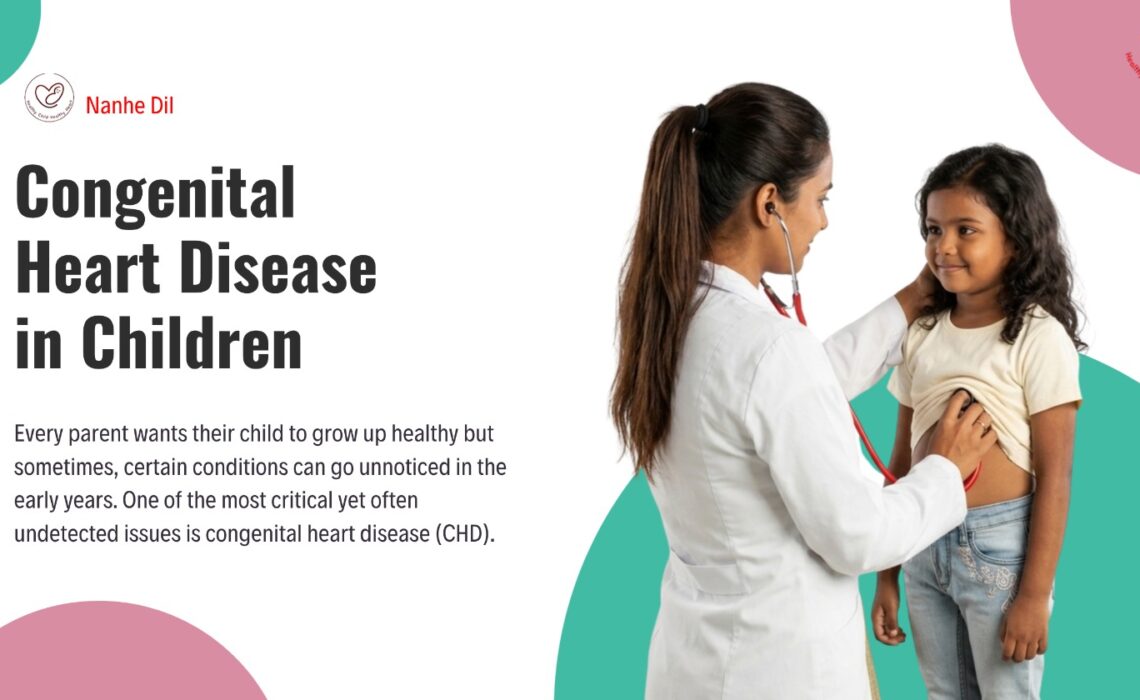
Every parent wants their child to grow up healthy, but sometimes, certain conditions can go unnoticed in the early years. One of the most critical yet often undetected issues is congenital heart disease (CHD).
According to experts like Dr. Manvinder Singh Sachdev, early diagnosis can make a life-saving difference in a child’s future.
In this guide, we’ll help you understand the early warning signs, causes, and treatment options, so you can act at the right time.
What is Congenital Heart Disease (CHD)?
Congenital heart disease refers to structural problems in the heart that are present at birth. These defects can affect how blood flows through the heart and body.
At specialized centers like Nanhe Dil, children receive comprehensive care, from fetal diagnosis to advanced surgical treatments.
Early Signs of Heart Problems in Children
Recognizing symptoms early can save lives. Watch out for:
In Infants:
- Rapid breathing
- Difficulty feeding
- Poor weight gain
- Bluish lips or skin/nails (cyanosis)
- Excessive sweating
In Older Children:
- Easily tired during play
- Frequent chest infections
- Shortness of breath
- Fainting episodes
Many parents ignore these signs, assuming they are minor, but they can indicate serious heart conditions.
What Causes Congenital Heart Disease?
CHD can occur due to:
- Genetic factors
- Infections during pregnancy
- Poor maternal health
- Unknown causes in many cases
Early screening during pregnancy (like fetal echocardiography) can help detect issues before birth.
Importance of Early Diagnosis
Early diagnosis is crucial because:
- It prevents complications
- Improves treatment success
- Reduces long-term risks
Advanced diagnostic tools such as pediatric echocardiography help identify even complex conditions early.
Available Treatment Options
Treatment depends on the severity of the condition:
1. Monitoring & Medication
Mild cases may only require medication and regular follow-ups.
2. Non-Surgical Procedures
- Device closures
- Balloon valvuloplasty
3. Heart Surgery
- ASD/VSD closure
- TOF repair
- Arterial switch operations
When Should You Consult a Pediatric Cardiologist?
You should consult a specialist if:
- Your child shows any symptoms mentioned above
- There is a family history of heart disease
- Your pediatrician recommends further evaluation
Why Choosing the Right Specialist Matters
A child’s heart condition requires:
- Accurate diagnosis
- Experience in pediatric cases
- Advanced treatment facilities
Centers like NanheDil focus on child-friendly care combined with advanced cardiac expertise, ensuring better outcomes for young patients.
Preventive Tips for Parents
- Schedule regular pediatric check-ups
- Monitor your child’s growth and activity
- Maintain a healthy diet
- Avoid ignoring unusual symptoms
Conclusion
Congenital heart disease may sound scary, but with early detection and expert care, most children can lead healthy, normal lives.
If you notice even minor symptoms, don’t delay. Early action can make all the difference.


